Education, Consulting, group coaching,
and mentorship
Through the lens of peer support
For Coaches and Service Providers
Led by Certified Trauma and Resilience Life Coach and Lifetime Patient turned Service Provider Jennifer Ann Falandys
Empowered Coaching and Leadership Starts with a solid foundation
How We Show Up Matters
As coaches, service providers, and leaders, I believe it is important for us to hold our power and influence as responsibly as possible.
The ways that we connect and communicate with others through our messaging, marketing, and practices can have a profound and lasting impact.
I am passionate about guarding the standard of life coaching, and breaking the silence on unethical strategies, deceptive practices. I am also shedding a light on provider/coach harm in both life coaching and clinical practice through advocacy work.
Building a successful coaching practice should never require you to abandon your integrity. It should be built upon it.
There are not many coaches out there who are focused on coaching and teaching on ethics in life coaching, and I've decided to step up.
I provide education, coaching, consultations, mentorship, and resources to coaches and service providers in the areas of ethics in practice and providing trauma informed care to clients, so that they can feel more equipped, confident, and prepared to support their clients.
I am leading a shift towards ethically mindful coaching marketing initiatives, aiming to re-shape the process of marketing and selling so that it feels more empowering.
There is real science behind why it is important not to add a demand or presume incompetence.
People deserve to maintain their dignity in the process of enrolling in a program and receiving support.
It’s time to reduce traumatization and move toward practices meant to restore trust in coaching and service provider relationships.

Coaching is not just a business; it is a relational practice - Jennifer Falandys
Do you feel like you're on the right path, but need some guidance?

Do Your Practices Speak to the Humanity of Those You Serve?
I have heard from so many people who are struggling to find their way out there.
Industry leaders are still teaching outdated, unethical practices, making outlandish claims, particularly in the form of misleading absolute "truths," trying to make people feel bad enough about their struggle to buy their products and services.
It can be frustrating when we don't resonate with the methods that are commonly being taught because in our hearts and minds we are saying: "This is not okay. How is this so widely and readily acceptable?"
The energetic impact of misalignment can stall our motivation, and snuff the fire and passion that we started with after being bombarded with messaging, marketing, and ad pitches that don't feel authentic or aligned with how we want to show up and serve. I've been there.
The reality is, anyone in the online space can say something and use marketing tricks to convince you that it's true. They can also claim to be seven figure earners when they haven't consistently made a seven figure income consecutively and only hit that one month out of the year. It is even more sobering to realize that it is possible that they aren't making much at all.
It's okay if people aren't making a lot of money in their business and need help. This happens, and I empathize with that and understand. It can be tough out there!
It's not okay to sell people on the idea that "I'm making a lot of money and can help you do the same," when they aren't being honest with themselves and their audience.
Blatant lies, false claims, profiting off of scarcity, and selling broken promises are tactics that are raising red flags, and the FTC is paying attention.
The online coaching industry is shifting, and our standards need to catch up.
who i work with
I primarily work with women. I am open to working with anyone who has made a commitment to this work and is willing to be teachable, coachable, and open to new information and ideas. Especially when integration and change can feel uncomfortable at times, and we are in an age where information is everywhere.
I am a gap closer. I close gaps in critical areas that people and businesses often overlook as someone who has been on both sides of the desk as a patient, provider, and client. I've been very observant over the years, and I have had a stake in my own outcomes, as well as the outcomes of others for a very long time.
My services are not driven by profit, but by a genuine passion for fostering trust, inclusion, and kindness in our professional community.
Key Areas of Focus:
Trauma Informed Care and Practice
Integrity In Service Provision
Coaching and Mental Health Industry Reform
Trauma Education and Nervous System Literacy (Neuroscience / Biology / Physiology)
Scope of Practice Clarity
Relational Safety and the Path to Trust
Attachment Awareness
An Informed Consent Process
Referral and Crisis Protocols
Ethically Mindful Marketing Initiatives
Complex Trauma and c-PTSD
Somatic (Body-Based) Energywork
Personal and Professional Resilience
Neurodivergent Friendly Tips and Tools to Prevent Burnout

Do Your Practices Speak to the Humanity of Those You Serve?
It is my personal mission to help restore integrity, humanity, and ethical mindfulness back into coaching and service provision.
I have heard from so many people who are struggling to find their way out there. Industry leaders are still teaching outdated, unethical practices, making outlandish claims, and profiting off of false scarcity, broken promises, and tactics that are raising red flags. It can be frustrating when we don't resonate with the methods that are commonly being taught.
I specialize in the science of trauma and toxic stress and the study of human behavior and communication. I've combined my skills, background, and experience to bring awareness and change to the mental health and coaching industries because I believe that people deserve to maintain their humanity and dignity in the process of enrolling in a program and receiving support.
solving problems starts with
addressing unspoken high level leadership issues
The heart of my work rests at the intersection of trauma science and ethically mindful leadership. My approach blends neuroscience, ethical systems thinking, and an emphasis on the importance of relational safety and integrity.
I've combined my skills, training, background, and experience to bring awareness and change to the online coaching and mental health industries. I know what it is like to be in an imbalanced power dynamic with both coaches, and service providers. I have personally experienced the damage that can be done by working with people that have had their own insecurities brought forth by unhealed wounds. They went back on the principles that they sold people on, and could not live up to the values they professed within their work.
I worked for six years in non-profit mental health as an advocate, life coach, and education coordinator. When I started to transition into the online coaching space and shared my vision or asked questions in some of the support groups, my DM’s filled up with offers for services I didn’t need.I got on calls and found myself manipulated into believing that the vision I was excited about creating wasn’t good enough because money and social clout aren’t my focus. The years I've been coaching didn't seem to count toward credibility in certain spaces, let alone the 20+ that I have dedicated to advocacy work. I felt invisible and unworthy. Approaches like this jarred my nervous system and brought up feelings of shame and doubt.
I am thankful that I was able to remind myself that I’ve been successful already, but what about the people who get stuck believing things that aren’t true because of the wolves who want the sale but don’t actually know how to support someone? Now they can easily introduce the use of AI to supplement their knowledge gaps, and that's deeply concerning when it comes to preserving the integrity of this profession.
There are those who believe that their position and level of perceived authority in the industry excuses their behavior, or the harm that comes from things that they may say to you, especially in a 1:1 container, where no one else is around to witness them. They project blame without taking professional accountability and a personal and inventory that involves reflecting on their own role and in what could have turned someone away from working with them.
As someone who has studied human behavior and the science behind it, I recognize why this happens, but at the time, in the moment, that doesn't mean it doesn't cause harm, create relational ruptures that often go without repair, and when you are in the middle of a 1:1 call in a private container and realize what just happened, it can be extremely unsettling. I can attest to that from personal experience.
I have had the privilege of working with a wide range of individuals, groups, businesses, and non-profit organizations. I’ve learned a lot over the years about client relationships, customer service, and delivery processes. I have personally seen and experienced how challenging things can be when it comes to ethical considerations, upholding the framework of trauma informed care, professional integrity, and working toward accountability.
Continually witnessing tactics like this used in helping professions has changed the way I view things forever. I am in favor of creating a more ethically focuses, trauma sensitive approach to our messaging, marketing, and practices. I am deeply committed to highlighting the importance of cultivating a sense of safety in the work that we do.
The unboundaried online space has made it easier to siphon power from others instead of doing difficult and often uncomfortable inner work. Unchecked egos can do lasting damage on relationships and break down trust in support communities.
In a coaching context this can look like:
Building marketing and positioning on overgeneralized statements like the following, that can incite shame to get people to take action or feel bad about something so they might go click on a profile.
"You don't have a good strategy, your whole business is built on busywork."
"You don't really want to leave your 9-5 because you secretly love to hate it."
"You won't raise your prices because you can't handle what that would take."
"If you aren't charging enough you don't have a business, you have a hobby."
Relying on the same support groups that clients are in to seek validation after a call did not go well, which comes after blaming the client instead of working through it privately, or with a coach or therapist. (An "I don't need that/I've been doing this for 25 years" blindspot)
Stepping out of integrirty on a call or in a session with a prospect or client and not wanting to address the fact that you realized that harm was caused with a choice of words or approach.
- It could also look like coercing a prospect to use more than two forms of payment to enroll and not respecting their financial situation because it was never about the person, it's about closing the sale.
If you have ever been harmed emotionally, psychologically, spiritually, or financially by a coach or service provider and need someone to talk to, as someone who has been there, I want to create space for others to be seen, heard, and validated. Names can remain anonymous if you feel more comfortable. I know it's hard to share things publicly, and not everyone has the privilege of safety to speak up openly as it could personally impact them and their business. I understand. My inbox is open. You are not alone. I believe you.
Some tough love...
I care deeply about people. We can do better, and someone needs to speak up, and help
Trauma Informed Care without ethical structure and a true understanding of trauma science edges toward becoming performative.
If you cannot define your scope and do not have a referral process, you are operating in risk
If you take on 20 clients due to the pressure to fill your calendar without having enough capacity, you increase the chances of causing a relational rupture or harm.
Confidence does not always reflect competence. This has misled people, and contributed to a trust recession.
Being great at selling is not a substitute for the ability to coach. It has become easy for people to counteract that by hiding behind marketing tactics and charismatic online personas, and "hot take" posts that activate people.
Good engagement is not a realistic hiring point in a time when passive scrolling and reading content without commenting is becoming more common.
Many people are very aware of their pain points. They are looking for someone to help resolve them, not reinforce the pain that they already feel. During your encounters with people are you looking at the whole picture, or just the parts that you can exploit for potential profit?
If someone wants to coach as a hobby, coach for free, or offer pro-bono services, let them. Focus on yourself and your own business. Don't try to take away people's autonomy, choice, and voice in the online spaces that you share because it is not what you would do, or prefer.
Lived experience alone combined with being able to hold space for others and validate them, does not equal trauma competency.
Using the term self-regulation and focusing on the science piece does not always translate to real understanding and practical application. Regulated does not mean "staying calm." A person's wholeness and individuality cannot be bypassed in an effort to sound like an expert.
We cannot piece parts of the framework of trauma informed care out to fit our personal preferences and workaround our personal biases.
If you hold influence, you need to have an ethical infrastructure, the capacity to be self-reflective, and to be able to withstand somatic, emotional, and psychological discomfort that may come up around getting feedback.
Telling someone that they cannot disagree with you because it is too uncomfortable or being too confrontational in your copy in order to build authority will make people hesitant to work with you. There is a difference between building clean authority and being authoritative. It is a red flag when people who claim to be trauma informed educators do this. It often shuts down conversations and deflects from accountability.
We need to be able to withstand being questioned, and corrected where and when it is warranted. Our hearts know. This is what I mean when I say that we are the embodiment of our work.
Evolve toward an ethical, values-based approach to leadership, business growth, and personal development that is rooted in somatic awareness.
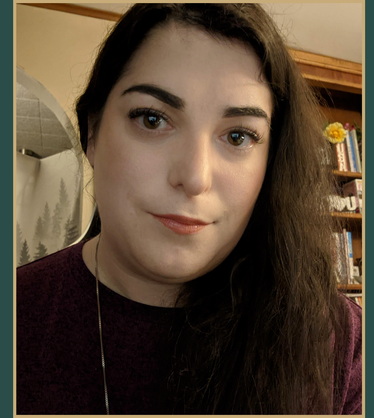
A lifetime patient turned service provider
I am a Certified Trauma and Resilience Life Coach, Consultant, and Mentor, with over twenty-five years of experience as an Advocate.
I have a B.A. in Psychology and a background in non-profit mental health providing coaching, education, trauma support, and resources to clients, as well as engaging in community outreach, and facilitating support groups for trauma survivors and individuals with mental health challenges. I received my current coaching certification from the Arizona Trauma Institute. I have been coaching for thirteen years.
core pillars
Consultation and support
For new coaches
Ethics coaching
For coaches, advocates, and service providers
Trauma education and strategic support
For coaches and service providers
Receive practical, grounded support from someone who will be honest and transparent with you as you build and grow your coaching practice.
Ethical mindfulness is necessary in our work, whether you enjoy helping people as a hobby or are building a profitable business.
Marketing doesn't have to feel icky and be brutal and demanding to be effective. Good leadership doesn't start, or last with bullying and coercion.
BEFORE CONNECTING WITH ME: PURPOSE, INTENTION, AND KEY QUESTIONS
PURPOSE AND INTENTION
Everything that I do is offered through the lens of peer support. I prefer to nurture peer to peer relationships in helping industries, especially when we often have shared visions, goals, and outcomes. I believe a true trauma informed approach should embrace a non-hierarchical approach to better promote safety, trust, and genuine mutuality, and collaboration.
The insight, discussions and guidance offered in my content, comments, sessions, and spaces is for information and educational purposes, and is meant to support learning, encourage critical thinking, reflection, and personal development as we move toward embodied leadership within our work.
Support is intentionally designed for coaches and service providers who are looking to anchor their coaching journey in integrity, and want to learn how to develop and nurture an ethically mindful, trauma informed approach within their work.
My services are not driven by profit, but by a genuine passion for helping others, and fostering trust, inclusion, and kindness in our professional communities.
ADVOCACY AND EMPATHY CAN CO-EXIST WITH RESPONSIBILITY
As a Guardian, being an advocate comes with my role. This role was divinely chosen for me. Part of advocating for reform and change in the coaching industry, and shifting our approach, is to challenge industry norms, and counter the advice out there that is keeping so many coaches stuck and disconnected from their own values and unique purpose and expertise. This can be activating for some people, especially those who have been engaging in things like bullying, coercion, and using some level of deceit to get people to buy into their programs and online personas.
Maybe you are familiar with this type of advocacy and have chosen to go down this path on your own. I know how isolating this choice can be because of how much resistance there is around change and industry reform. I want you to know that you are not alone, and there is community to be found amongst us outliers.
I recognize that methods and tactics are taught and passed down to other coaches who may not be aware that these approaches can become predatory and are against best practices outlined by regulatory bodies – especially if a fair majority of what is being highlighted out there in the messaging and marketing still leans heavily towards these ways in an unregulated industry because it is traditionally what is worked and seems like a safer bet to protect the bottom line. I understand that change can be scary, and often fear can show up dressed as ego and arrogance.
Information discussed and shared in my spaces and sessions should be considered thoughtfully and applied using your own judgment. You are encouraged to approach these sessions as a space for professional learning and mentorship, rather than as a setting for managing active client cases, or handling crises or emergency situations. When clinical concerns arise, a referral to appropriately qualified professionals is strongly recommended.
While the profession of coaching is not yet regulated, the business side of it is. You are ultimately responsible for your own decisions regarding your practices, client situations, procedures, and policies.
NOTE
It is important for me to be transparent and let you know that the process of working together and learning from me may feel confronting at times, because I may present you with new information that will directly challenge long-standing beliefs and feel like a rejection to what you have always known.
It's natural to experience uncomfortable and maybe even conflicting feelings when we feel confronted with new information and start to break through walls in the process of making changes or shifting our beliefs and taking a deeper look at what shaped them. Things may come up for you in the learning and coaching process, and that is okay. We can talk about them.
As a survivor of toxic coaching myself, I understand that as we move through the topic of unethical coaching tactics and reducing harm and traumatization within the online coaching and healing industries, some things may come up for those who have been harmed or taken advantage of psychologically, emotionally, financially, spiritually, or relationally by a coach or service provider they trusted or even considered their friend.
I will do my best to hold space for you in these moments, and there will be ways that we can unpack some things and heal and grow together, in solidarity and community.
My sessions and spaces are not a place to expect to process heavy things on a clinically therapeutic level.
Connecting with me in any capacity, including but not limited to becoming a follower, participating my group, or choosing to become a client and work with me more directly, does not establish a therapeutic or clinical relationship and is not a substitute for psychotherapy, mental health treatment, medical care, legal advice, or crisis intervention.
If you require clinical mental health services or are experiencing a mental health crisis, please seek support from a licensed professional or appropriate local services. I am not a lawyer, nor am I acting as one. If you have legal issues with your business, you need to seek professional legal help and find a lawyer in your area.
QUESTIONS TO ASK YOURSELF
1. Can you be open to learning new things, challenging long-standing beliefs, and possibly adjusting your approach based on new information?
2. Can you recognize that buyer habits are changing, audiences are more skeptical, and that many people no longer resonate with bro-marketing culture, elitism, a lack of transparency, and unethical sales and marketing tactics?
3. Are you able to recognize and respect that not everyone moves toward success with speed and optimal access to resources that are required for what it takes to get there right away?
4. Can you understand that the direction someone needs to be going in is not always forward, even though much of the noise out there has convinced us that "Forward" means progress, and therefore is usually perceived as the "right way"?
These are key details to lay out because this potentially applies to both you and some of your clients when you are working together. The inner work starts with us.
WHY WORK WITH ME
Some people might say, "Who does she think she is, giving this kind of advice, asking these kinds of questions! She doesn't know anything, she doesn't run a business!”
You're right. I am not a business coach, either.
The road that led me here was shaped by having to navigate oppressive systems that I am, and have been a part of personally and professionally, as well as my experience as I transitioned into online coaching space after years of offering coaching and support in person within nonprofit mental health.
I have worked with agencies and organizations since I was young. I was born with Cerebral Palsy and have co-occurring conditions that accompanied the nature of my birth. Alongside my parents, I got early life exposure to the relational, transactional, and bureaucratic ways of doing business that ultimately planted the seeds of my life path and brought my focus to ethics, compliance, and true trauma informed care in 2013.
During my time working as a provider of services in non-profit mental health, I realized that a lot of the therapists and providers working with my clients were not trauma informed, and this matched my own experience as well.
Given my background, my particular journey of transitioning into the online coaching space opened my eyes to a very different environment. One filled with countless voices telling coaches how they should show up, what they should say, and how they should build their businesses. There is no oversight, no supervision, and it is hard to get coaches to be accountable and take ownership for the ways they are doing things that would never fly in an in-person, professional setting.
I know how confusing that can feel. Where I thought I would be gaining more freedom, I suddenly felt overwhelmed, and to be honest, a little alarmed. Was I making the right choice? Was this the road I really wanted to go down, with no guardrails?
When you're surrounded by strong opinions, bold promises, and pressure to follow formulas that may not sit right with you, it can become difficult to trust your own voice and vision. I know how confusing and frustrating it can feel, especially when you don't see yourself and your type of vibe represented in the marketing out there.
I noticed very quickly that there weren’t enough conversations happening about the deeper foundations of responsible coaching. Things like discernment, coaching skill-building, the importance of continuing education, and the thoughtful implementation of the coaching process itself. Instead, many coaches find themselves navigating an online space shaped by bro-marketing, forceful sales tactics, incongruent messaging, and strategies that are often passed from coach to coach without much consideration for ethics or client well-being.
The truth is that ethical dilemmas are a natural part of coaching and service provision. At some point, many coaches find themselves questioning advice they’ve been given, feeling uneasy about industry norms that don’t align with their values, or trying to figure out how to grow their work without compromising their integrity.
I know how hard it is to find other coaches who understand this. Who refuse to conform, even when it seems like there is no other option because it seems like no one is talking about this and showing up in their feed speaking to this in a way that makes you feel seen, heard, and less alone.
Whether you're at the point of questioning advice from another coach that you’ve been given, wanting to refine your approach to working with your clients, or going through personal challenges that you feel afraid to share about because of the stigma out there around vulnerability being "bad for business," I offer grounded guidance and thoughtful support as you work through your feelings and questions.
Together we can explore your challenge areas, strengthen your discernment, and develop processes that center integrity, responsibility, and prioritizes the well-being of the people that you serve.
My goal is to help you build a coaching practice that not only functions well but feels deeply aligned with your values and vision for serving others and honors how you genuinely desire to show up. I keep the best interest of both you and your clients in mind.
Building a successful coaching practice should never require you to abandon your integrity. It should be built upon it.
TRAUMA EDUCATION AND TRUTHS ABOUT TRAUMA INFORMED CARE
First and foremost, I believe that there are ethical considerations when it comes to working with others. Key elements of a high-quality standard of care in how we coach, teach, advocate, and lead are transparency, honesty, responsibility, and accountability.
I need to be upfront with you. There are many coaches, clinicians, and practitioners who say that they are trauma informed, when they are not. There are also key differences to understand between the terms Trauma Aware, Trauma Informed, Trauma Sensitive, Trauma Trained, and Trauma Responsive.
Social media has contributed to the breakdown of the framework and has contributed to harm because people are often misguided and misinformed around trauma informed care. What is, what is not, how it is defined, what it entails, where there are key differences in how we approach the work that we are doing, and how to genuinely be trauma informed. Trauma informed care has captured the intention of online grifters in the coaching and wellness communities. It's not a title to use because it sounds good, attracts clients, and brings you more income.
I question whether someone is truly trauma informed when for example, when coaches and educational consultants tell their followers that no one is allowed to disagree with them on their social media pages or within their comments because it is too "triggering" and uncomfortable for their nervous systems to hold.
If someone is doing work as a trauma informed provider and cannot manage the state of their nervous system just from exposure to their own social media account, that is a huge red flag and my alarm bells go off. How does that translate to what they provide in private containers?
When things like this remain unchecked, especially as trauma informed care continues to cross over into unregulated industries such as coaching, the people that get harmed along the way may not be able to speak up or recognize what is happening. Where is the supervision to reduce risk on behalf of the clients?
When I bring this up, I often get blocked -- which is another red flag.
We can't hit the block button in real life. When we encounter a client who needs more support or might be combative with us, we cannot end the session and block them, especially not if they have paid us for support. This has also led me to be very vocal around the idea of using labels in marketing such as:
- Ideal Client
- Dreamboat Clients
- Effortless Clients
Trauma-informed care and practice is not a trend, a buzzword, or a branding tool. It is a responsibility. A framework, that is often picked apart because people are looking for the easiest parts that they can apply within their work. I also want to also acknowledge that it gets fragmented because its broadness can make it complicated, and hard to uphold entirely.
In addition trainings designed to cover things like diversity and culture are often repetitive, and not inclusive enough. I believe that it needs to be updated and adapted for practical application in todays social, emotional, relational, economic, and digital climates.
Trauma Informed care does not get handed to you in a certificate, course, or program.
How are we embodying this level of care when working with others?
Are we listening enough?
This includes listening and learning from individuals and groups across communities while being mindful of our biases and making sure we aren't engaging in selective inclusion to check off a box and making a commitment to learn beyond what a training has cherry picked for us to learn to fulfill components of becoming trauma informed.
At the end of the day, a piece of paper or a training doesn't guarantee that people can embody what they have learned in a meaningful way or genuinely apply what they have learned, especially in challenging situations with clients. Some people just attend trainings to get the certificate for clout. It's become a great buzzword for marketing and engagement.
This is sacred work to me and not something I do for the sake of a title. I am developing my own way of teaching on the topic of trauma informed care based on my personal and professional experience as a lifetime patient and advocate who became both a provider and a recipient of services. This includes relying on my professional training. I want to help people become trauma informed in a less complicated way and be real about the challenges on the journey to get there. Confidence and competence go hand in hand.
Working in non-profit mental health I personally witnessed and can attest to how hard it can be for one individual to provide true trauma informed care at times. Large organizations that are heavily backed and connected with strategic support struggle, particularly in rural area.
If you think the descriptions of services or the application to work with me is too much work, and too long to read, you are not ready to work with me. Chat GPT will not make you trauma informed. You are the embodiment of your work.
In unregulated industries, it is on us to hold ourselves accountable. People are trusting us to help them, and to be who we say we are, as much as humanly possible.
TRANSPARENCY ABOUT OUTCOMES
Because this work centers on education, reflection, and personal and professional development, no specific results or business outcomes can be guaranteed. It is your decision to engage with the material and integrate what you learn into your own practice.
Many coaches who engage thoughtfully in this work may experience:
- Greater awareness around ethical practice, the importance of maintaining scope of practice, which also reduces scope creep, and clarity around personal and professional boundaries as a coach and service provider.
- A deeper understanding of trauma informed care and the role that trauma, toxic stress, adversity, and overwhelm has on and human behavior, and how these come into play within relationships in the context of coaching and service provision.
- Increased confidence when supporting clients and when navigating situations with their clients.
- Improved discernment and decision-making
- A better sense of how to structure services and offers
- Greater alignment between personal values and professional practice
- Be more inclined to think critically about common coaching industry norms and practices
For many practitioners, this work also supports the development of a more grounded, sustainable approach to building their coaching practice, one that prioritizes both client wellbeing and practitioner responsibility.
Outcomes will naturally differ from person to person. The value of our conversations, sessions, and the time we spend together often grows over time through continued learning, reflection, and your decisions around thoughtfully applying the concepts discussed.
A MOST ASKED QUESTION: DIFFERENCES BETWEEN COACHING, CONSULTING, AND MENTORSHIP
I offer a hybrid of services in my sessions because I realized that some people may need more support than others. As humans, we have different bodies, brains, and needs. Some of us have different styles of learning that work for best. The acknowledgement that the people that we work with may have challenges and differences is important in the process of fully supporting them from a starting point to actualization -- giving them optimal opportunity to apply what they have learned and reap the benefits of the work that they have done in in our sessions.
Coaching is designed to naturally encourage individuals through guidance, to find their own answers, discover their own truths, and develop their own strategies for finding clarity, solving their own problems, and finding their own solutions to an outcome that they have defined, or have in mind, and want to receive support around. It encourages self-discovery and personal growth in the area(s) that they want to work on. Think of the process of learning how to ride a bike. I will support you until you are confident in implement things on your own, but you are ultimately guided by your own skills (e.g. like the body mechanics needed to pedal the bike and maintain your balance) and what you innately know. (Adapted from Forbes Coaches Council)
Consulting is designed to give clients specific direction and guidance on what to do and how to do certain things. It focuses on a specific area -- e.g. business or coaching support. It differs from coaching because it enables us to provide streamlined direction through either teaching a process and/or offering guidance on how to implement methods, and strategies. Some of which may already exist and have been tried and tested. As a consultant, I offer very specific advice and provide solutions to clients based on my training, knowledge, and experience in my areas of specialization. In this aspect, you are being taught and/or guided by what I know and blend it into your work where aligned, in a way that feels good to you and meets your needs. (Adapted from Forbes Coaches Council)
Even though you may be guided by what I know, you will need to make decisions for yourself, and ultimately be guided by what you know and want for yourself. It's okay to question things, and you can ask me as many questions as you need to along the way. I may not always have an answer right at that moment, but I will get back to you.
Mentorship is designed to offer support over a longer period of time. Instead of relying specifically on what you know, or what I know, we are coming together so that I can transfer my knowledge and offer you support as you learn and grow on your own. In this aspect, we work better, together. The transfer of knowledge is a cornerstone of my work and something that I incorporate within sessions when I can. I do not believe in gatekeeping for the sake of holding a perceived level of authority or to boost my positioning. Knowledge is a gift that saved me in many ways. I want to share what I know in case it might help others on their own journey.
LIMITATIONS OF SERVICE FULLFILMENT WHEN REQUESTING ME AS A CONSULTANT FOR NON-PROFIT ORGS
The purpose of this section is to help create mutual understanding of our roles, and to support transparency, and psychological safety within the context of our professional relationship. I want to be open about acknowledging that the conditions and variables outlined here can influence outcomes and affect our shared responsibility for sustainable change.
I approach all services through a trauma-informed lens, recognizing that individuals and systems may carry stress responses, histories, and patterns that affect readiness, engagement, and implementation.
1. Scope of Consulting Services For Non-Profit Organizations
As a consultant, my role is advisory and facilitative, rather than directive. I can partner with you to help identify strengths, evaluate your processes and approach, uncover barriers, and support adaptive change so that you and/or your team are better prepared to work with clients and can handle the inevitability challenging dilemmas within the context of service provision. This includes looking broadly at delivery routes, currentwork flows, and potentially making changes to reduce rates of burnout where needed and possible.
Outcomes depend on the health of the organization's internal systems, willingness and capacity to engage in reflective practice, staff well-being, and the realistic ability to implement and integrate proposed recommendations and changes across systems. I can prioritize creating conditions for learning, support, reflection, and growth, but I cannot fix larger underlying issues if there are any.
2. My Commitment to Ethically Mindful, Trauma Informed Practice (For Organizations)
Providing consulting and education through the lens of trauma informed care can look like:
Safety: Creating spaces where all participants can engage without fear of shame, harm, or judgment.
Trustworthiness: Communicating transparently about scope, limitations, and progress.
Collaboration: Inviting shared decision-making and co-ownership of the process where relevant and applicable.
Empowerment: Supporting an organization’s internal capacity and self-determination.
Cultural Humility: Approaching situations with curiosity rather than assumptions. Recognizing the unique contexts, histories, and identities that shape each organization and its communities.
Your organization is encouraged to uphold these same principles during our time together, alongside staff, volunteers, and stakeholders.
3. Limitations of Service Fulfillment
While I am deeply committed to ethical, informed practice, there are natural boundaries and limitations that must be acknowledged to preserve clarity, safety, and mutual accountability.
a. Implementation Ownership
I can offer guidance, tools, resources, and frameworks, but the implementation and integration of plans and strategies rests with the leaders of the organization.
Outcomes also depend on the organization's ability to:
- Maintain alignment between leadership decisions and stated goals.
- Allocate appropriate time, resources, and staff support for implementation.
- Ensure staff and volunteers are equipped for their roles and have a clear understanding of the mission and vision.
- Engage in consistent communication, presence, and follow-through, from back-end execution to foundational leadership.
- Integrate recommendations into existing systems and processes.
I cannot assume responsibility for internal decision-making, leadership dynamics, and actions that fall outside my professional role and scope of practice. I will not assume or take on responsibility for your risk.
b. Organizational Health and Readiness
Please be aware that organizational health directly impacts outcomes. The following factors may influence the pace and effectiveness of progress:
Leadership Stability and Trust: Frequent turnover, unclear authority, or lack of psychological safety can create uncertainty that slows growth.
Organizational Culture: Environments marked by burnout, fear, or unaddressed conflict may require foundational healing before strategic change can take hold.
Capacity and Competing Priorities: Limited resources or overextended staff may reduce the organization’s ability to engage and fully execute and complete tasks.
Change Fatigue or Stress Responses: When an organization is already under high stress, new initiatives may unintentionally trigger resistance or overwhelm.
I will approach these dynamics with compassion and curiosity but cannot control or resolve systemic or leadership factors that are internal to your organization.
c. Information Sharing and Transparency
Mutually beneficial collaboration depends on open and respectful communication. My ability to offer responsive and relevant guidance and support requires accurate information, and timely responses about required steps or refinements on the journey to task or objective completion.
Limited communication or restricted access to data may limit my ability to evaluate things, adjust strategies effectively, and assist with making progress towards desired outcomes.
d. External and Contextual Factors
External realities, such as shifts in funding, community needs, policies, or crises may also impact the implementation of recommendations. These factors are beyond my control, but I will do my best to navigate these situations collaboratively and adaptively, keeping in mind my own capacity, as they arise.
4. Shared Responsibility for Change
Our work together is grounded in partnership rather than hierarchy. This means that we share responsibility for and towards:
- Co-creating goals that are realistic, compassionate, and context-sensitive.
- Maintaining clear communication, feedback, and reflection throughout the process.
- Centering psychological safety and trust in all interactions.
- Engaging in honest dialogue about challenges and barriers to progress.
- Celebrating learning, growth, and incremental change.
5. Confidentiality
I am committed to maintaining confidentiality, professional boundaries, and ethical integrity for the duration which I am asked to work with you. Your organization is likewise expected to act in good faith, fostering a collaborative environment conducive to learning, change, growth, and collaboration.
6. No Guarantee of Specific Outcomes
Because my services address human systems, learning processes, and complex organizational dynamics, results cannot be guaranteed.
7. Acknowledgment
The organization and I will affirm a shared commitment to trauma informed principles, ethically mindful practices, integrity, and mutual respect. We also recognize and acknowledge that organizational health, readiness, engagement, and access to resources play a central role in determining the outcomes of our work together.
ARE MY SERVICES RIGHT FOR YOU?
I work with those who are focused on impact over income
My services are best suited for coaches and service providers who care deeply about others and are willing to engage in thoughtful, reflective work. My spaces are designed for those who understand that influence carries weight, and want to develop their work with integrity, humanity, ethics, trauma informed care, and responsibility in mind. Perspectives shared within my sessions and spaces will not align with all coaching philosophies or industry approaches, nor are they supposed to. Please come into them with the intention to engage in respectful dialogue, learning, and reflection.
I stick to my zone of genius which is teaching, coaching, mentoring, and helping people build strong foundations for their coaching practice - such as helping to get your questions about coaching answered, developing skills, setting up ethical mindful strategies, and providing trauma informed care -- infused into our messaging, marketing, and practices. I do not teach you how to make money or scale your business. A next step after working with me may be to hire a business coach at your own risk to help you with that.
We May Be A Good Fit If:
- You agree that industry reform is needed.
- You value responsible business development over high-pressure sales tactics, manipulation, and deceit.
- You are looking for honest, thoughtful guidance, not just validation.
- You are willing to develop strategies and structure over cutting corners and taking every shortcut.
- You are teachable, coachable, open to feedback and possibly learning new information that may challenge long-standing, or previously held beliefs, especially those that have been embedded within the online coaching space.
- Are committed to ongoing growth and continuing education as a practitioner, even when the learning process may be challenging, uncomfortable, and requires reflection, adjustment, and change.
I am not the right provider for you if you are expecting clinical based mental health services such as therapy, counseling, or crisis intervention, based on the topics that I cover and the fact that I am a Certified Trauma and Resilience Life Coach. I am not a therapist, nor do I engage clinical practice. Everything that I do is free, and offered through the lens of peer to peer support.
I am not the right provider for you if If your main goal in working with me is to make as much money as possible and you are looking for the fastest path to success, wealth, and influence that you can take.
I am not the right provider for you if you are against payment plans, sliding scale fees, and veiw those of us who are doing pro-bono work or offering services for free as less credible or that we don't value ourselves enough. We know our worth and trust what we are contributing to.
I am not the right provider for you if you are unwilling to examine industry norms and look at the ways that certain approaches and beliefs have contributed to distrust, toxicity, and harm.
I support the ethical use of AI as a tool and in moderation. However, if you are going to use AI to reply to me in comments or messages or to counter everything that I'm trying to support you with it would appear that you don't need to work with me and would rather hire AI as your coach. I am trying to keep humanity in coaching and service provision.
I do not measure my success by the actions you take or do not take when you are working with me. If you choose not to apply my suggestions or advice, that is your choice.
I don't make promises or guarantees as to results or outcomes. There are many variables that can influence results and outcomes that are beyond my control.
FREE REIKI FRIDAYS
MY SERVICES ARE FREE AND DONATION BASED
I do not receive or accept money in exchange for my services. All of my services are free and offered as my energy allows. If you feel led to support me, and would like to help make my vision for a genuine pay-it-forward service model come to fruition, you can:
Make a Donation to one of my favorite causes on my Approved Cause List
Purchase a Gift From The Hospital Gift Shop Online for patients at my hospital, where I spend a lot of time (Jones Memorial Hospital, Wellsville, NY)
Purchase From My Amazon Wishlist
Accessible Support
I offer accessible services and education to build the kind of integral care I believe should exist out in society. Opportunities for fulfillment, self-healing, and support should be accessible. In alignment with my mission, values, I provide avenues to support and resources that folks may not otherwise have.
Additionally, in the U.S., many disabled folks on Supplemental Security Income (SSI) cannot provide support in the same way as our peers for a variety of reasons including the dynamic nature of our conditions. Many of us cannot have more than 2k in income/resources in the bank. The average accessible offer with a payment plan in the online coaching space is often still out of reach for many people.
There are also folks who have experienced trauma from being taken advantage of and scammed by coaches and other helping professionals. I believe that contributing to systemic change is tied into accessibility, awareness, authenticity, and personal responsibility with our intentions and the energy that we put out into the world
Typical transactions involve the compensation of money for goods and services. I believe that valuable compensation is not just limited to money. The amount spent does not always determine the quality of service and it certainly does not dictate our value or worthiness.
Any monetary donations made to the selected charities on my approved cause list go directly to those charities at the time of payment. All transactions are made through their respective websites.
Change starts with me, through modeling. Your success story does not have to be determined by your income bracket, or what you can afford at this moment. Your worth and the value can be measured beyond a dollar amount.
🌿Accessible support creates opportunities for people to experience the power of co-regulation and transformation in their lives.
MY PAY IT FORWARD SERVICE MODEL
Select whichever donation method resonates with you from the options below:

🕊️ It's okay to ask for help. It's ok if you don't have a lot of money in your startup phase and would rather inquire about free services and support first, than waste valuable resources on things that you aren't sure you need yet. You do not need to sell out, use-brute force tactics, or give in to industry pressure, or max out your credit cards to attract clients and to be good at what you do.
Paving the way for a different experience
It's time for something different
I am creating my own community space on Skool, where I aim to make it possible for people to have a better experience as they are learning, exploring, and growing in their personal and professional practices.
I want people to get the support, education and resources that they need without being afraid that they will be bullied, embarrassed, or harassed by others in online groups for sharing an experience, asking questions that they may not know the answer to, or choosing to serve others in a way that feels good to them, but goes against the grain of industry standards.
I would love to see an end to the "I know more than you do" energy that has become so prevalent in the online coaching support group spaces.
Harm can happen without consideration of personal histories, the possibility of underlying medical issues, and other undisclosed needs.
I will be cutting down on video calls this year, but inside my group, there will be once or twice a month where you can book a personal 1:1 call with me.

Supportive environments help facilitate learning, healing, and optimal wellness.
MY PERSONAL STANCE AS AN ADVOCATE
I advocate for personal autonomy, and the development and nurturing of our individual identities and preferences. I support empowerment, voice, and choice, including choices around terminology, communication styles, language, symbolism, and the supports that one may need, and prefer.
" Coaching and Advocacy, and their relationship to someone's needs, preferences, and how they human, are not monoliths."
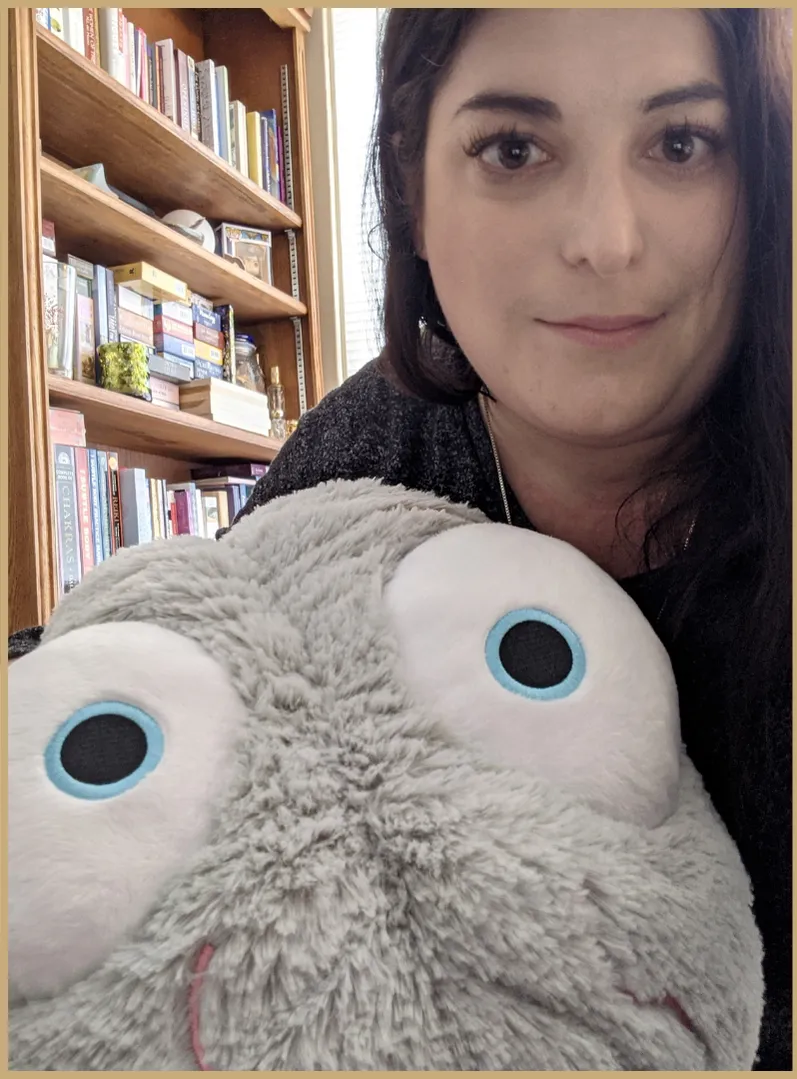
JENNIFER ANN FALANDYS
#REALTALK | FROM AN ADVOCATES HEART
I write about topics such as: Mental Health, Advocacy, Coaching, Peer Support, Neuroscience, Trauma informed Care, Trauma Sensitive Care, Ethical Business Practices, Personal and Professional Resilience, Complex Trauma, Disability and Neurodivergent Lifestyle, and more.
You can support my writing by subscribing to my Substack and signing up to receive emails!
BOOK ME AS A GUEST ON YOUR PODCAST
Openings now for 2027

RESOURCES
A continually updated list of crisis intervention numbers, care providers, trauma informed care resources, and mental health support links. Also includes Book / Blog / Podcast recommendations, and more!
JENNIFER ANN
NEWS
LEGAL
* Jennifer is not a doctor, medical professional, healthcare provider, therapist, counselor, or lawyer. Jennifer's coaching and consulting sessions, along with any discussions of ethics and compliance, are not to be used or substituted as legal advice. Your decision to book and participate in these sessions or onboard her as a coach or consultant within your organization, does not create a relationship in which she becomes your legal counsel or compliance representative in any form or capacity. You, and/or your organization are ultimately in charge of and responsible for seeking out a legal professional for all legal matters, including compliance, and doing your own due diligence, including reviewing your own marketing, policies, procedures, and professional practices. Offering peer support or seeing clients without policies and procedures in place, protocols for prevention, and a clinical referral process is at your own risk. You are ultimately in charge of and responsible for the decisions and investments that you choose or do not choose to make for yourself, your business, your clients, and/or the people you serve and support. None of her services nor the support she provides are a substitute for when you need to find a lawyer, therapist, or a qualified professional. Jennifer does not assume your risk. Approaching or messaging Jennifer with questions or in the name of getting support does not constitute or create a service agreement. Jennifer does not provide crisis intervention. Nothing Jennifer shares through her website, programs, products, materials, or the content she shares across social media platforms is to be used as a substitute for professional medical care, clinical mental health care, or be viewed as "therapy" or "counseling." Nor is it intended as, and should not be interpreted as medical, therapeutic, legal, or financial advice. Jennifer does not teach you how to make money. Her services are not specific to scaling your business and creating revenue. As a matter of ethics, she must be upfront that current pricing trends reflected in exorbitant amounts within the majority of the market are a conflict of interest based on her mission, and priorities. By filling out any paper or electronic forms, or submitting information through electronic forms, email links, or a chat app on this site, please be aware that you are consenting to the form builder and chat app collecting and processing the information you provided and are indicating that Jennifer Ann Falandys can send you a follow-up message or email. Please see her Service Disclaimer and Privacy Policy for full disclosures.
🌿 Designed January 2025
🌿Updated September 2026
Jennifer Ann Falandys
Olean, New York, 14760
Facebook
LinkedIn
Youtube
Instagram
Website